Prague’s Royal Summer Palace Closes for Two-Year Renovation
 Moderated by Tomas Kauer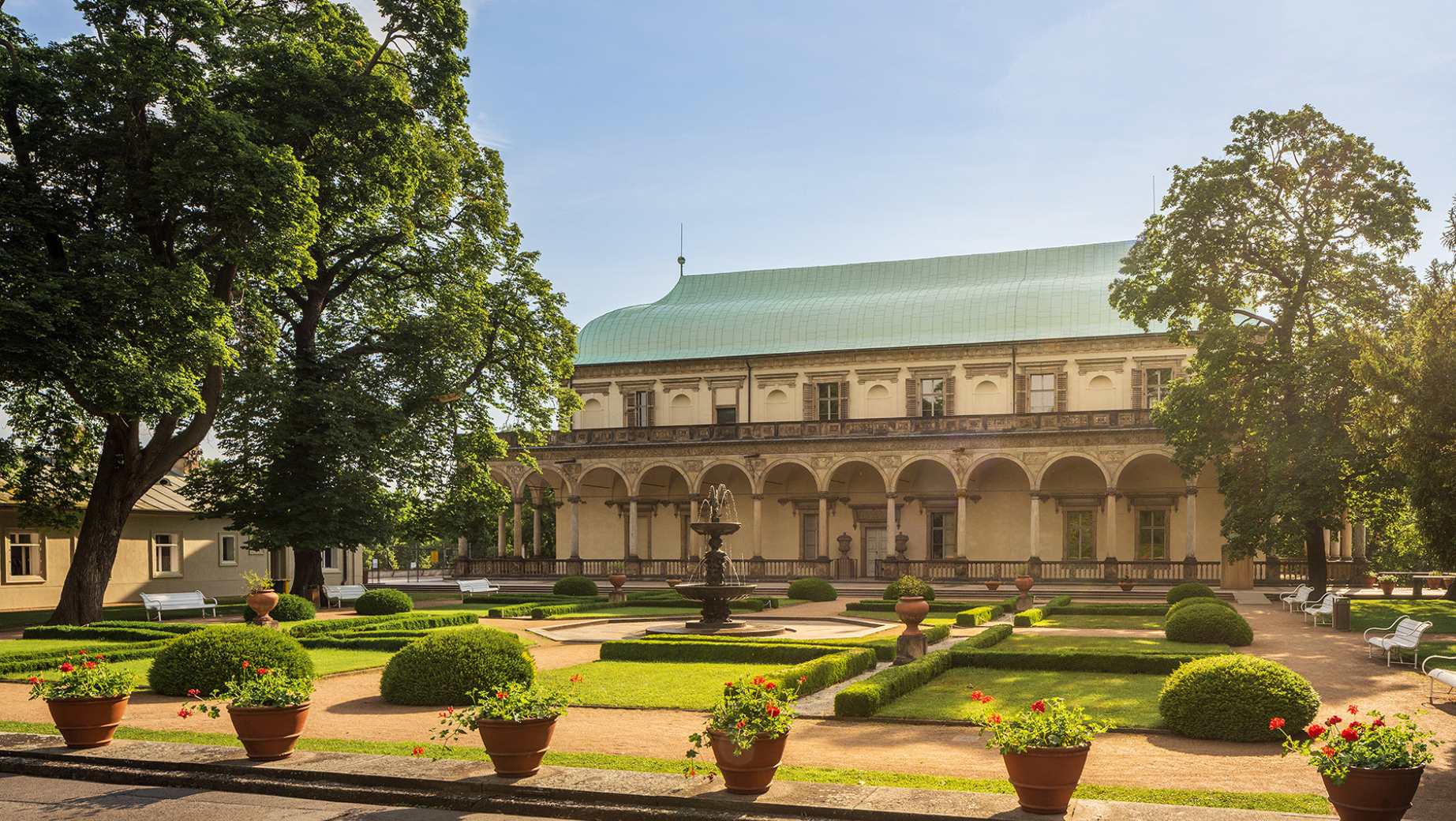
One of Prague’s most celebrated Renaissance landmarks is getting a full restoration.
The Prague Castle Administration has launched a major reconstruction of the Royal Summer Palace — widely known as the Belvedere — a project expected to run for roughly two years at a cost of approximately 100 million CZK.
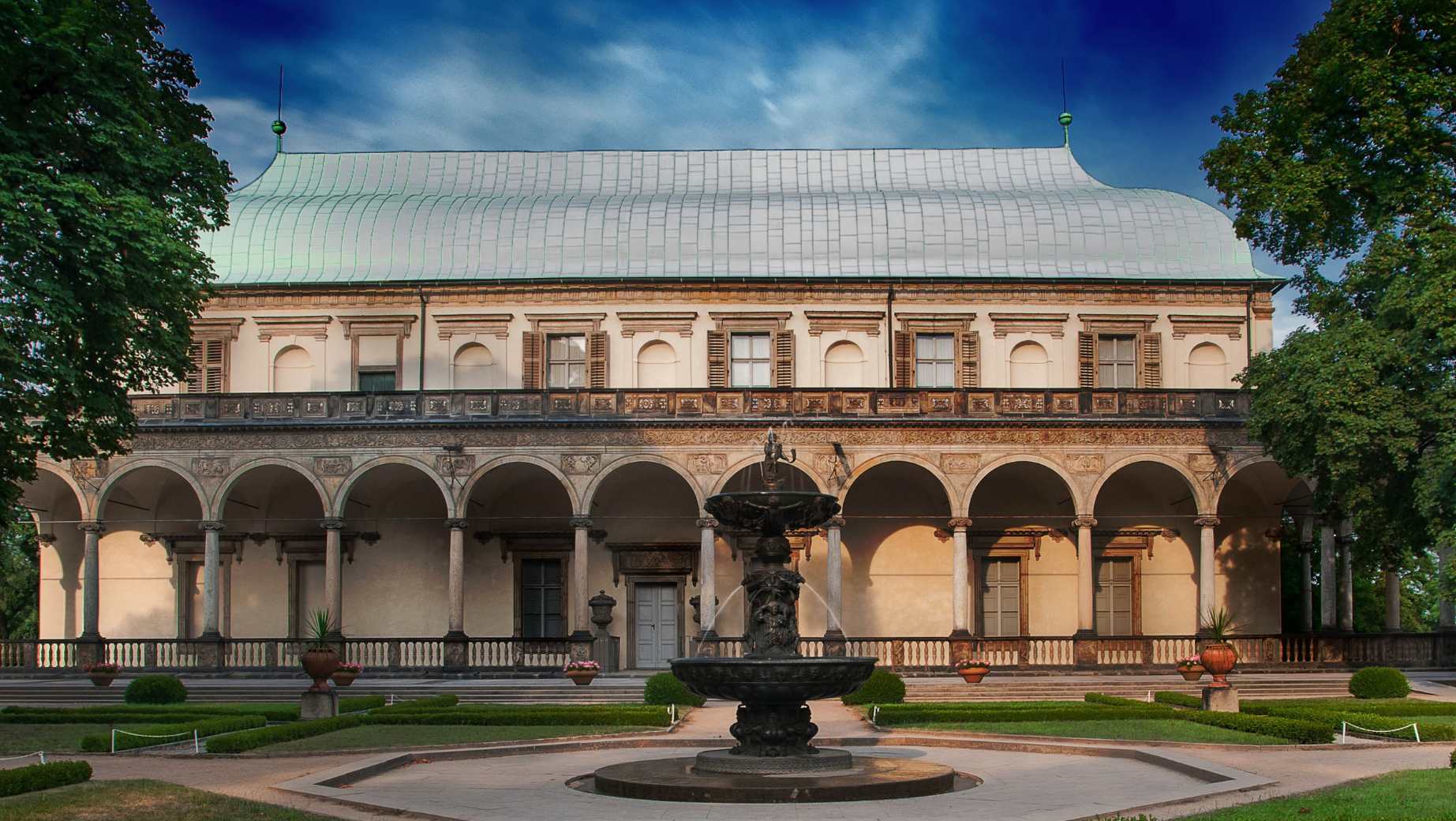
The building, which sits in the Royal Garden at Prague Castle, is regarded as the finest example of Italian Renaissance architecture north of the Alps. Work will cover the facade, historic interiors, columned arcades, stone and metal elements, stucco decorations, and joinery, including windows, doors and shutters.
“The Summer Palace is one of the most fundamental buildings of Prague Castle,” said Pavel Vyhnánek, director of the Prague Castle Administration. “We will restore the wooden coffered ceiling in the upper hall and return it to its original appearance, following the design of Bonifác Wolmut.”
New Lighting, Refurbished Chandeliers
Interior upgrades are a central part of the project. According to Barbora Feret, who heads the castle’s construction preparation and implementation department, the exhibition spaces will receive new, purpose-designed lighting, while the publicly accessible areas will be fitted with wall lights. #
The historic chandeliers that dominate the interior will be refurbished rather than replaced.
Below ground, the basement facilities are also due for modernization. The project includes replacing water and sewage infrastructure and updating the heating system.
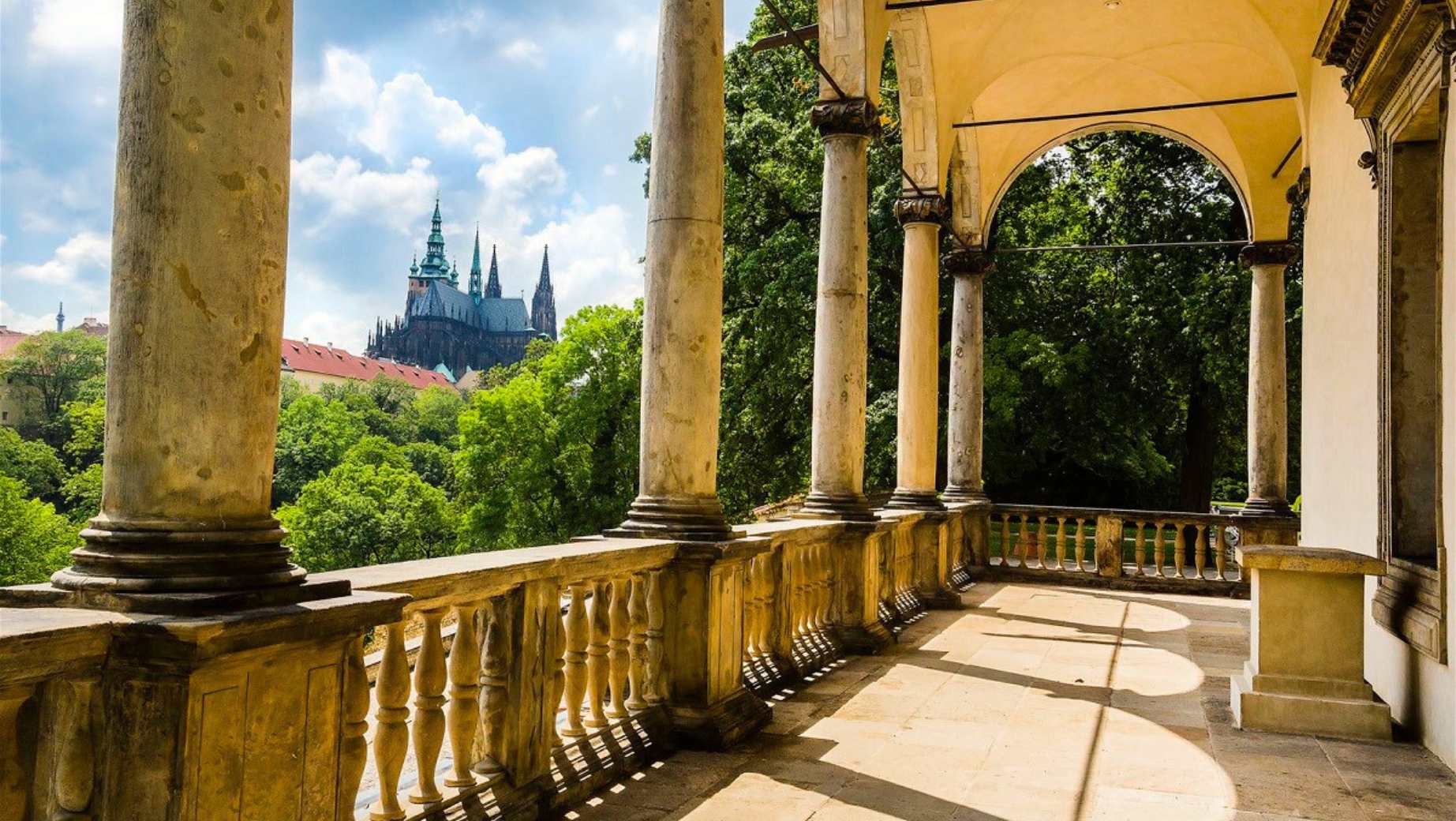
On the exterior, the work targets structural defects around the window zone. Feret singled out the southern section of the arcade gallery — currently in poor condition — and the ornamental stonework along the balustrade, arcades and column bases.
Five Centuries of History
The Royal Summer Palace traces its origins to 1538, when Emperor Ferdinand I of Habsburg commissioned it as a gift for his wife, Anne of Bohemia and Hungary. The initial design came from Italian architect Paolo della Stella. Later in the 16th century, Bonifác Wolmut added a distinctive two-story extension topped with a copper roof shaped like an inverted ship’s keel — an element that has defined the building’s silhouette ever since.
Major structural changes followed in the 18th century and again in the mid-19th century, when architect Bernard Gruber reconfigured the layout into its current form, establishing the entrance hall and the representative rooms still used today.
The 20th century brought two further interventions: Slovenian architect Jože Plečnik and Czech architect Pavel Janák both left their mark on the building’s interior and technical systems. The most recent work on the structure was completed in 2012, limited to repairs of the roof covering.
In recent years, the Belvedere has hosted chamber exhibitions. Those will resume once the restoration is complete.
Would you like us to write about your business? Find out more
The post Prague’s Royal Summer Palace Closes for Two-Year Renovation appeared first on Prague Morning.