Czech Lent: Tradition and Food Before Easter
 Tomas Kauer - Moderator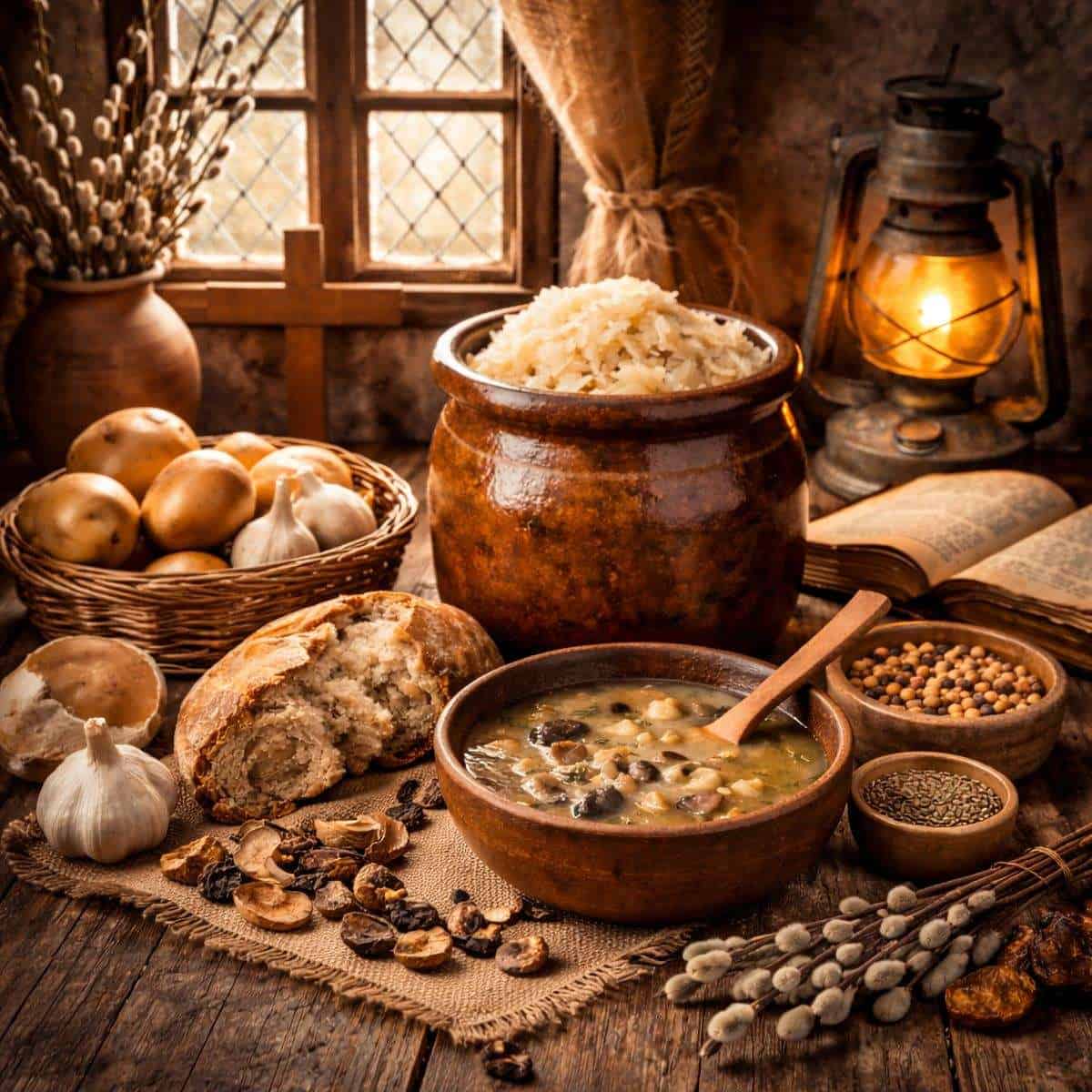
Lenten fasting in the Czech lands was closely connected with religious life and remained a visible part of society throughout the 19th century and into the early decades of the 20th century. For many families, especially in rural communities, the forty days before Easter shaped daily routines, cooking habits, and the rhythm of village life.
Over time, the strictness of fasting gradually softened. During the communist period in former Czechoslovakia, when public religious life was significantly restricted, many of these customs faded from everyday practice.
For earlier generations, Lent was not an abstract concept. It was something you could see on the table, taste in the soup pot, and feel in the quieter atmosphere of the village.
[feast_advanced_jump_to]
CZECH LENTEN RECIPE #1: Pučálka, sprouted pea fried in a pan
➜ From Masopust celebration to Lenten quiet
Lent began on Ash Wednesday (Popeleční středa), marking a clear turning point in the year. Just a day earlier, villages were still alive with the joyful spirit of Masopust. There were winter balls, dance parties, pig slaughter feasts, weddings, and spinning gatherings (přástky), where neighbors met to work on handicrafts and enjoy one another's company.
Then, quite suddenly, everything changed.
The contrast between Masopust Tuesday and Ash Wednesday was striking. Old-World Czechs were known for trying to prolong the celebration as long as possible. Sometimes neighbors gathered for one final evening of music before the fasting truly began. But once Lent arrived, daily life shifted toward restraint and simplicity.
Ash Wednesday itself was sometimes called škaredá (ugly), černá (black), or even bláznivá (crazy). The word "ugly" may have referred to the soot that was traditionally swept from chimneys at that time, or it may have reflected the strictness of the fasting period that followed.
CZECH LENTEN RECIPE #2: Farmers' cheese pancakes - tvarohové placky

➜ How long did Lent last?
Lent was traditionally observed as forty days of fasting leading up to Easter. Although there are 46 calendar days between Ash Wednesday and Easter Sunday, the six Sundays were not counted among the fasting days. Sundays were treated as small celebrations within the season, when the strictness of the fast was eased.
This rhythm of discipline and brief relief shaped the spiritual and practical calendar of village life.
➜ What did fasting mean in practice?
In its strictest form, Lenten fasting meant avoiding all food of animal origin. Not only meat, but also milk, cheese, butter, and eggs were excluded from the diet. Alcohol and tobacco were also avoided.
These rules were observed most carefully in rural communities, where traditional religious life tended to persist longer than in towns and cities. In urban areas, the strictness of fasting began to soften earlier, and even in the countryside the practice gradually became less rigorous over time, with many families keeping only selected elements of the fast.
CZECH LENTEN RECIPE #3: Caraway soup - Kmínová polévka

➜ Traditional Lenten foods in Czech kitchens
The fasting table was simple but nourishing. Families relied on ingredients that were affordable, stored for winter, and free of animal fat.
Common Lenten foods included:
- Soups made from dried mushrooms such as Kyselo sourdough soup
- Caraway seed and garlic soups
- Legumes such as peas, lentils and beans
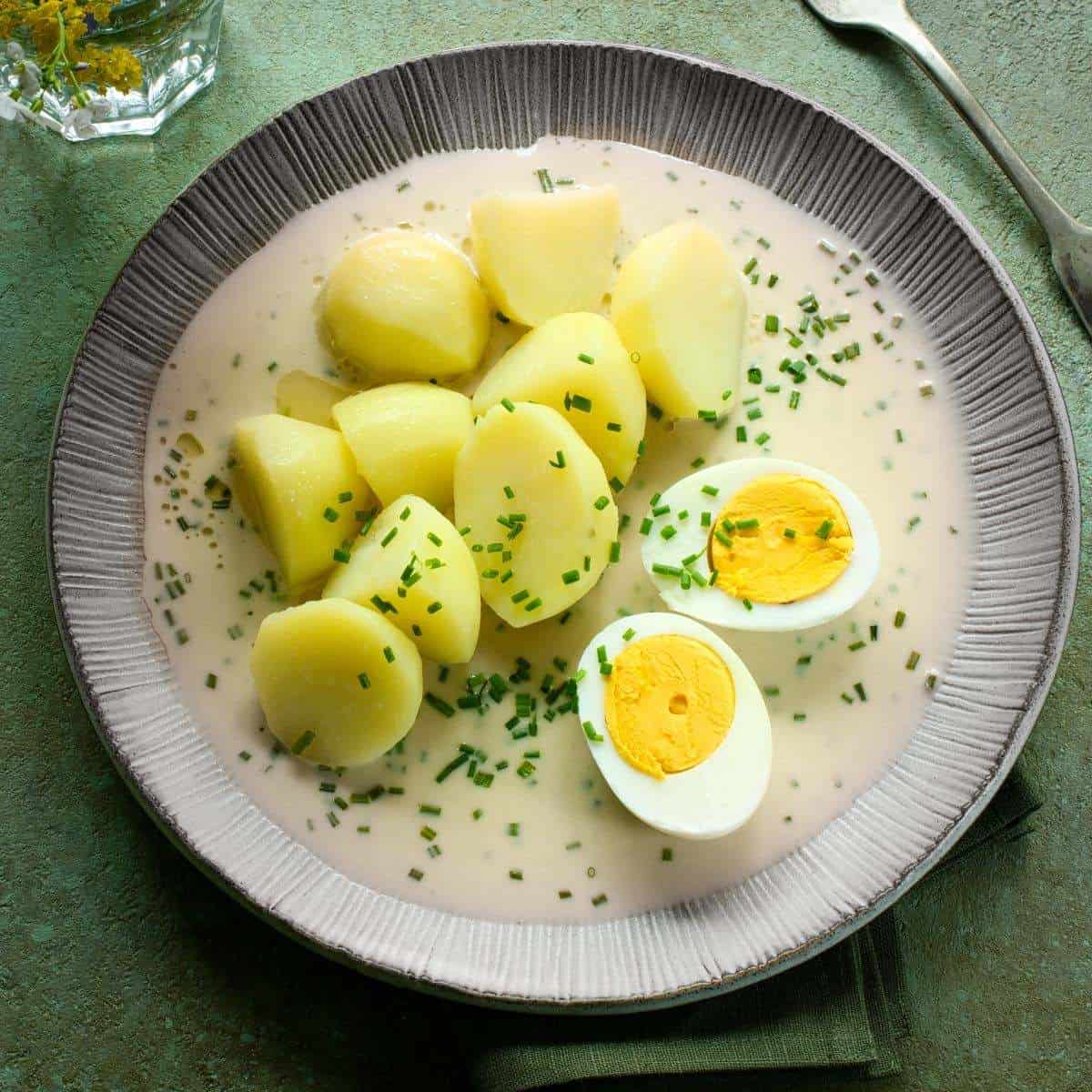
- Potatoes
- Simple bread and grain porridges
- Dried fruit such as Křížaly
- Sauerkraut, carefully pickled in autumn
Sauerkraut played a particularly important role. Stored in large earthenware crocks throughout the winter, it helped sustain households during the final cold weeks before spring.
Meals were modest but practical, reflecting both religious discipline and the economic realities of rural life.
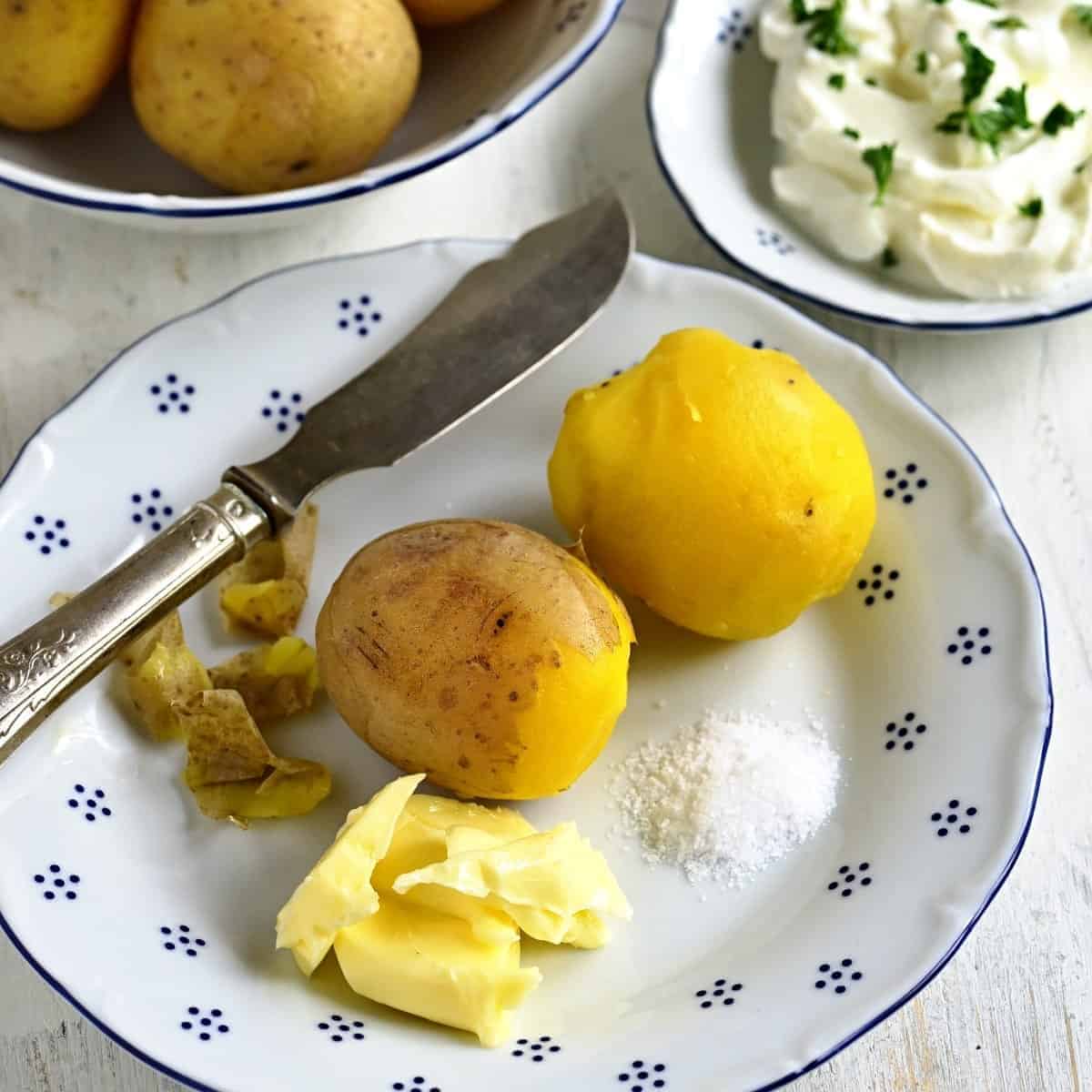
CZECH LENTEN RECIPE #4: Peeled potatoes - Brambory na loupačku
➜ Separate dishes for Lent
In some households, the beginning of Lent brought visible changes in the kitchen itself. Plates and utensils normally used for meat and lard were put away. In their place, wooden bowls and clay spoons that had never touched grease were brought out.
Faith was not only spoken about; it was practiced in everyday details.
CZECH LENTEN RECIPE #5: Green spinach sauce - Špenátová omáčka
➜ A local custom from northern Bohemia
From my region, the Liberec area in northern Bohemia, there is a charming record of a local custom that feels very human to me. On Ash Wednesday, a man dressed in unusual, slightly ridiculous clothes would walk through the village carrying a lit lantern. He would explain, quite seriously, that he was searching for the lost Masopust.
People laughed as he asked to look inside their houses, carefully peeking into corners as if the celebration might still be hiding somewhere. In the end, he was rewarded with leftover festive food. It was a gentle, playful way of saying goodbye to the season of joy before the quiet of Lent truly began.
CZECH LENTEN RECIPE #6: Rye rolls - Dalamánky

➜ The gradual fading - and rediscovery - of the tradition
For generations, Lenten fasting remained a recognizable and often visible part of life in the Czech lands, especially in rural areas. Over time, these practices became less strict and eventually faded during the communist period in former Czechoslovakia (1948-1989), when public religious life was significantly restricted.
Today, although the Czech Republic is largely secular and strict religious fasting is no longer widely observed, many traditional customs connected with Lent are being rediscovered. Through renewed interest in regional heritage, historical cooking, and old village traditions, Lenten foods and practices are once again finding their place in Czech kitchens - not necessarily as obligation, but as a way of reconnecting with cultural roots.
The post Czech Lent: Tradition and Food Before Easter appeared first on Cook Like Czechs.